The Impact of Child Removal from Homes During the Festive Season: A UK Perspective

Christmas morning. Most children wake up to the familiar sounds of their family home, perhaps the rustle of wrapping paper or the gentle chaos of excited siblings. But for hundreds of children across the UK, this most treasured of mornings unfolds in unfamiliar bedrooms, with faces they barely know, in places that don't yet feel like home.
The festive season, meant to be a time of warmth and belonging, becomes something entirely different when you're a child experiencing removal from your family during this period. It's a reality that touches more young lives than many of us realise, and one that deserves our attention, understanding, and most importantly, our compassion.
When Christmas Becomes Another Kind of Trauma
Between December 18, 2021, and January 3, 2022, 1,257 children in care moved homes across England. That's 79 children every single day during what should have been the most magical time of their year. These aren't just numbers on a spreadsheet. They're children who went to sleep in one place and woke up somewhere else, often without the comfort of familiar belongings or faces.
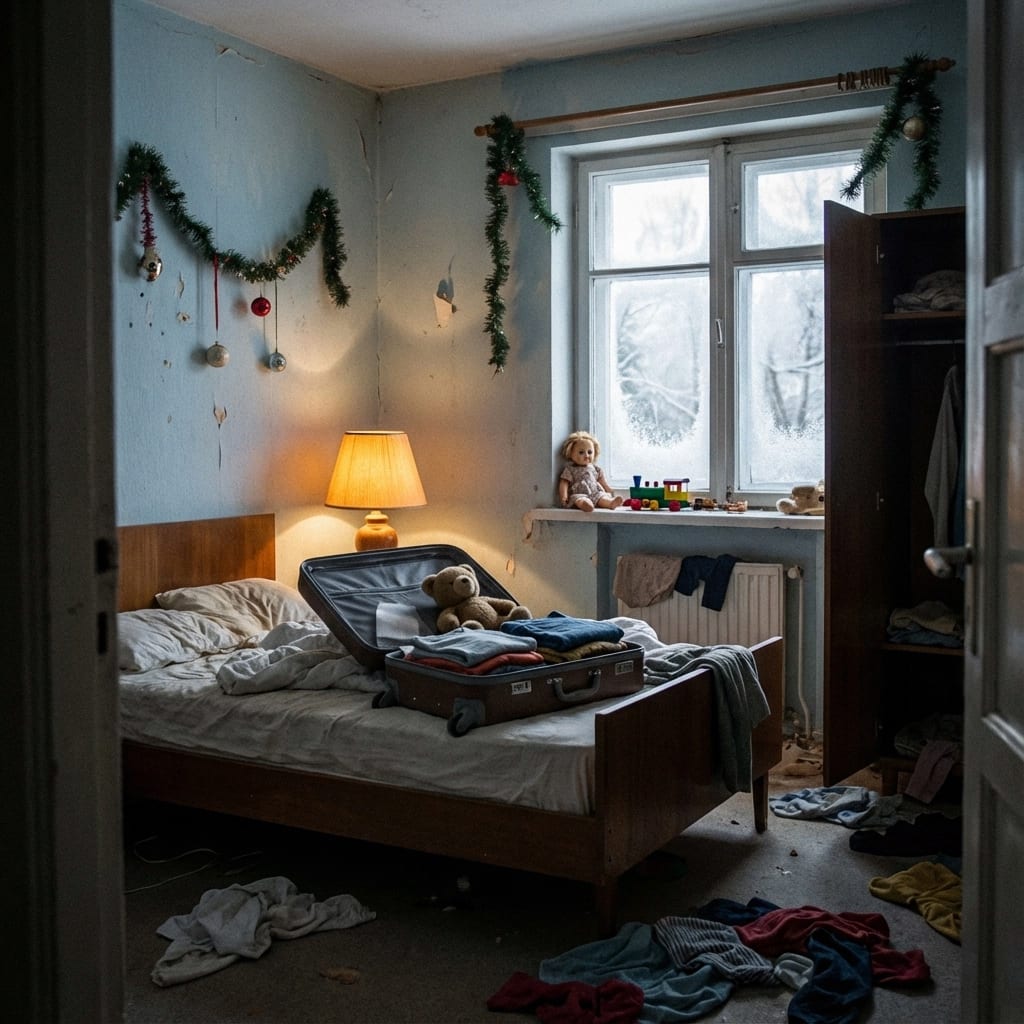
Sarah, a care leaver who experienced multiple Christmas moves, puts it simply: "Christmas often reminds me that I don't have a 'normal' family. I am reminded of how different my experience of the world is." Her words echo the experiences of thousands of children who find themselves navigating the care system during the festive season.
The timing couldn't be crueller. While television adverts celebrate family togetherness and social media fills with cosy family photos, these children are learning to navigate new rules, new routines, and new relationships at the very time when stability matters most.
The Ripple Effects of Festive Season Moves
Moving home at any time is challenging for a child. Moving during Christmas amplifies every difficult emotion. The excitement that should come with December mornings is replaced with uncertainty. The traditions that anchor most children's sense of belonging become foreign concepts.
When a child is moved during the festive period, they're not just losing a place to sleep. They're losing connections with foster siblings who might have become like family, social workers they'd begun to trust, and communities where they were starting to find their place. They're trading the familiar for the unknown at precisely the moment when the rest of society is celebrating the comfort of tradition.
The psychological impact runs deeper than we might imagine. For children who have already experienced the trauma of family breakdown, Christmas moves can reinforce feelings that they have little control over their lives. They learn, perhaps unconsciously, that even the most sacred times can be disrupted without warning.
Research shows that one in ten children in the care system experienced three or more moves in 2021-22, while almost a third moved twice or more. For these children, instability isn't an exception - it's become their normal. Christmas moves are just another reminder of how precarious their sense of security really is.
The Human Cost Behind the Statistics

Behind every placement change is a story of a child trying to make sense of their world. There's the teenager who spent Christmas Eve packing their belongings into black bin bags - again. There's the primary school child who couldn't understand why they couldn't stay with their foster family for "just one more Christmas." There's the toddler who cried for their previous carer on Christmas morning, unable to understand why familiar faces had disappeared.
These moves don't happen in isolation. They're often the result of placement breakdowns, emergency situations, or systemic failures. Sometimes they're genuinely necessary for a child's safety and wellbeing. But the timing during the festive season adds layers of complexity and pain that can last far beyond the immediate move.
The broader context is equally troubling. Domestic abuse contributes to approximately 1,924 babies aged under two entering care annually - that's one in every four babies entering the system. Many of these children will grow up to experience the instability that characterises the care system, including the possibility of Christmas moves.
Meanwhile, 2.6 million children across the UK are living in material deprivation, with 1.5 million of them under ten years old. For struggling families, Christmas can be the tipping point that leads to intervention, as financial pressures and family tensions reach breaking point during what's supposed to be the season of giving.
The Long Shadow of Festive Season Trauma
The effects of Christmas moves don't end when the decorations come down in January. For many children, the festive season becomes permanently associated with loss and disruption. Future Christmases may trigger anxiety rather than excitement, as the unconscious mind prepares for potential upheaval.
Some children develop what we might call "Christmas anxiety" - a heightened state of alertness during the festive season, waiting for the other shoe to drop. Others may struggle to engage with Christmas traditions at all, finding the whole concept too painful or foreign.
The impact on identity formation can't be understated either. Christmas is when many families share stories, create memories, and reinforce their sense of who they are together. Children moved during this time miss these crucial identity-building moments, often leaving them with a fragmented sense of self and belonging.

Every Conversation Matters.
Whether you’re looking for help, want to get involved, or just need someone who understands, we’d love to hear from you.
We read every message. You’ll hear back from us within 48 hours.